











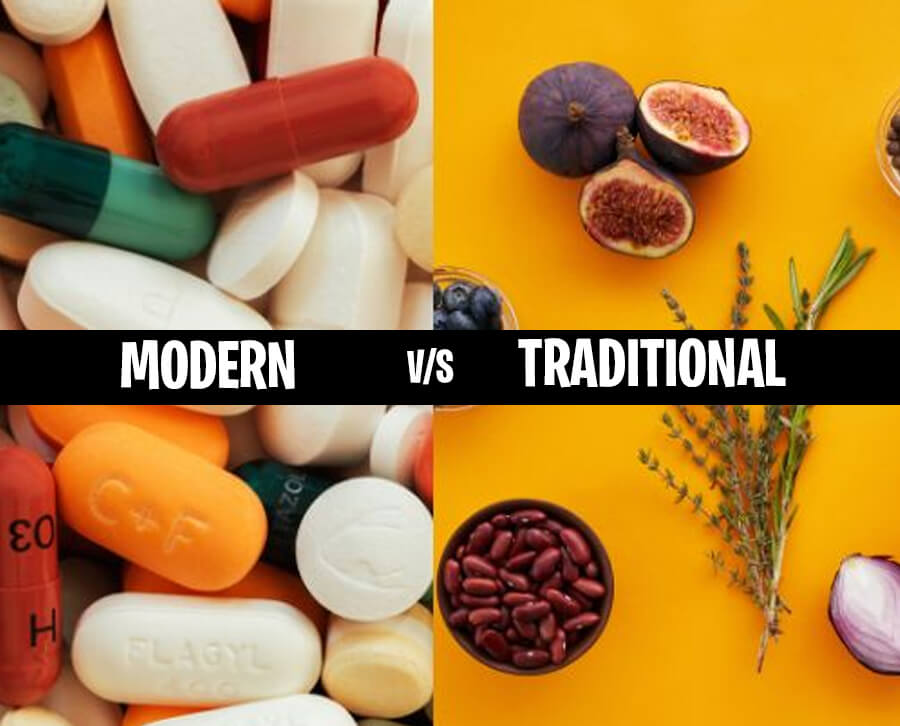
 In the realm of healthcare, a dichotomy exists between traditional and modern medical practices. While modern medicine harnesses cutting-edge technology and scientific advancements, traditional medicine draws upon centuries-old wisdom passed down through generations. This article endeavors to delve into the contrasting landscapes of traditional and modern medicine, dissecting their historical roots, core principles, benefits, drawbacks, and the ongoing efforts to bridge the gap between the two.
Key Principles of Traditional Medicine:
Traditional medicine often revolves around holistic approaches, viewing health as a balance between mind, body, and spirit. Practices like Ayurveda, Traditional Chinese Medicine (TCM), and Unani medicine emphasize personalized treatments, herbal remedies, and lifestyle modifications. On the other hand, modern medicine prioritizes empirical evidence, standardized protocols, and the use of synthetic drugs and surgical interventions to diagnose and treat diseases.
- Holistic View of Health: Traditional medicine emphasizes a holistic perspective, viewing health as a harmonious balance between mind, body, and spirit. Unlike the reductionist approach of modern medicine, which often focuses solely on treating specific symptoms or diseases, traditional healers consider the interconnectedness of various aspects of an individual's well-being. This holistic view recognizes the importance of addressing underlying imbalances and promoting overall wellness rather than merely alleviating symptoms.
- Personalized and Patient-Centered Care: Central to traditional medicine is the concept of personalized and patient-centered care. Traditional healers take the time to understand each patient's unique constitution, medical history, and cultural background. Treatment plans are tailored to individual needs, incorporating a variety of modalities such as herbal remedies, dietary recommendations, and lifestyle modifications. This personalized approach fosters a deeper connection between healer and patient, empowering individuals to take an active role in their healing journey.
- Emphasis on Prevention and Maintenance of Health: Preventive care is a cornerstone of traditional medicine, with a strong emphasis on maintaining health and preventing illness before it occurs. Traditional healers often advocate for lifestyle modifications, dietary changes, and preventive practices such as meditation or exercise to promote longevity and vitality. By addressing imbalances and strengthening the body's natural defenses, traditional medicine aims to prevent disease and promote optimal health throughout the lifespan.
- Integration of Spiritual and Cultural Beliefs: Traditional medicine integrates spiritual and cultural beliefs into its healing practices, recognizing the interconnectedness of physical, emotional, and spiritual aspects of health. Rituals, ceremonies, and spiritual practices play a significant role in many traditional healing traditions, providing comfort, healing, and guidance to patients. By honoring cultural traditions and beliefs, traditional medicine respects the diversity of human experience and fosters a sense of belonging and connection within communities.
- Sustainable and Nature-Based Healing Practices: Traditional medicine often relies on natural remedies derived from plants, minerals, and other natural substances. These nature-based healing practices are often sustainable and environmentally friendly, promoting harmony with the natural world. Traditional healers possess intimate knowledge of local flora and fauna, utilizing indigenous plants and traditional healing techniques passed down through generations. This deep connection to nature underscores the holistic and sustainable approach of traditional medicine.
-
Benefits and Drawbacks:
Traditional medicine offers a treasure trove of natural remedies and holistic therapies, often with fewer side effects compared to pharmaceutical drugs. Moreover, it fosters a deep connection between patients and healers, rooted in trust and cultural understanding. However, its efficacy may vary, and the lack of standardized practices can pose challenges in integration with modern healthcare systems.
In contrast, modern medicine boasts unparalleled precision and efficacy, backed by rigorous scientific research and clinical trials. It has revolutionized healthcare with innovations like vaccines, antibiotics, and minimally invasive surgeries, significantly improving patient outcomes. Nonetheless, it tends to overlook holistic aspects of health and may rely excessively on symptom management rather than addressing root causes.
- Cultural Relevance and Accessibility: One of the primary benefits of traditional medicine is its cultural relevance and accessibility, particularly in communities where modern healthcare services may be limited or unavailable. Traditional healing practices are deeply rooted in cultural traditions and beliefs, making them accessible and acceptable to diverse populations. This cultural resonance fosters trust and acceptance of traditional healers within their communities, ensuring that healthcare services reach those who need them most.
- Cost-Effectiveness and Affordability: Traditional medicine is often more cost-effective and affordable than modern medical treatments, making it accessible to low-income individuals and marginalized communities. Many traditional remedies are derived from locally available plants and natural substances, reducing the cost of treatment compared to pharmaceutical drugs or expensive medical procedures. This affordability ensures that healthcare remains accessible to populations with limited financial resources, addressing health disparities and promoting social equity.
- Emphasis on Preventive Care and Lifestyle Modifications: Traditional medicine places a strong emphasis on preventive care and lifestyle modifications, empowering individuals to take an active role in maintaining their health and well-being. Traditional healers often educate patients about healthy lifestyle practices, dietary habits, and preventive measures to prevent illness and promote longevity. By addressing underlying imbalances and promoting holistic wellness, traditional medicine helps prevent disease before it occurs, reducing the burden on healthcare systems and improving overall health outcomes.
-
Drawbacks of Traditional Medicine:
While traditional medicine offers many benefits, it also presents certain drawbacks and challenges that warrant consideration. These drawbacks stem from factors such as lack of standardization, limited scientific validation, and potential risks associated with certain traditional remedies.
- Lack of Standardization and Quality Control: One of the primary drawbacks of traditional medicine is the lack of standardization and quality control in the production and administration of herbal remedies and traditional treatments. Traditional healing practices vary widely across different cultures and regions, leading to inconsistencies in treatment protocols and efficacy. Without standardized training and regulation, there is a risk of variability in the quality and safety of traditional remedies, potentially compromising patient outcomes and safety.
- Potential for Misdiagnosis and Delayed Treatment: Traditional medicine practitioners may lack formal medical training and diagnostic tools, increasing the risk of misdiagnosis and delayed treatment for serious medical conditions. While traditional healers possess valuable knowledge of herbal remedies and traditional healing techniques, they may not have the expertise to accurately diagnose complex medical conditions or recognize warning signs that require immediate medical intervention. This delay in seeking modern medical care can result in worsening health outcomes and complications for patients.
- Limited Scientific Validation and Evidence-Based Research: Another drawback of traditional medicine is the limited scientific validation and evidence-based research supporting its efficacy and safety. While many traditional remedies have been used for centuries and show promise in anecdotal reports, they may lack rigorous clinical trials and scientific evidence to support their effectiveness. Without robust research and validation, it can be challenging to integrate traditional medicine into mainstream healthcare systems and ensure its safety and efficacy for patients.
-
Notable Examples and Case Studies:
One notable example of traditional medicine's efficacy is acupuncture, a cornerstone of TCM, which has gained recognition for alleviating pain, managing stress, and improving overall well-being. Similarly, Ayurvedic treatments like yoga and herbal therapies have shown promising results in managing chronic conditions such as diabetes and hypertension.
- Traditional Chinese Medicine (TCM): Traditional Chinese Medicine (TCM) stands as one of the most prominent and enduring examples of traditional medicine, with a history spanning thousands of years. TCM encompasses various modalities, including acupuncture, herbal medicine, massage (Tui Na), and Qigong, rooted in ancient philosophical principles such as Yin-Yang and the Five Elements. Case studies have demonstrated the effectiveness of acupuncture in managing chronic pain, infertility, and mental health disorders, highlighting its potential as a complementary therapy in modern healthcare settings.
- Ayurveda: Ayurveda, the traditional healing system of India, offers a holistic approach to health and wellness based on the balance of three doshas: Vata, Pitta, and Kapha. Ayurvedic treatments include herbal remedies, dietary modifications, yoga, and meditation, aimed at restoring harmony and balance to the body and mind. Case studies have shown the efficacy of Ayurvedic herbs such as Ashwagandha and Triphala in managing stress, improving digestion, and enhancing overall well-being, illustrating Ayurveda's potential as an integrative healthcare approach.
- Indigenous Healing Practices: Indigenous healing practices encompass a diverse array of traditional healing modalities practiced by indigenous cultures worldwide. These practices often incorporate spiritual ceremonies, herbal remedies, and rituals passed down through generations, reflecting a deep connection to the land and cultural heritage. Case studies have highlighted the effectiveness of indigenous healing practices in addressing trauma, promoting mental health, and fostering resilience within indigenous communities, emphasizing the importance of cultural continuity and self-determination in healthcare delivery.
-
Bridging the Gap:
Efforts to bridge the gap between traditional and modern medicine are underway globally, recognizing the complementary strengths of both approaches. Integrative medicine, which combines conventional treatments with evidence-based complementary therapies, has gained traction in many healthcare settings. Collaborative research initiatives aim to explore the synergies between traditional remedies and modern medical interventions, paving the way for innovative treatment modalities.
Moreover, initiatives to standardize traditional medicine practices, train healthcare professionals in integrative approaches, and promote cross-cultural understanding are vital steps towards achieving healthcare equity and improving patient outcomes worldwide.
- Integrative Healthcare Models: Integrative healthcare models serve as a bridge between traditional and modern medicine by combining the best practices of both approaches. These models recognize the value of traditional healing methods while incorporating evidence-based modern medical interventions. By integrating therapies such as acupuncture, herbal medicine, and mindfulness-based stress reduction with conventional treatments, integrative healthcare provides patients with a more holistic approach to healing.
- Cross-Disciplinary Collaboration: Encouraging cross-disciplinary collaboration between traditional healers and modern healthcare providers fosters mutual respect and understanding. By bringing together practitioners from different backgrounds, healthcare systems can leverage the unique expertise of each discipline to provide comprehensive care to patients. Collaborative efforts may include joint training programs, interdisciplinary conferences, and shared treatment planning sessions, promoting knowledge exchange and cultural competence among healthcare professionals.
- Research and Evidence-Based Practice: Investing in research to evaluate the safety and efficacy of traditional healing practices contributes to bridging the gap between traditional and modern medicine. By conducting rigorous clinical trials and evidence-based studies, researchers can validate traditional remedies and therapies, enhancing their acceptance within mainstream healthcare systems. Additionally, integrating traditional medicine into medical education curricula ensures that future healthcare professionals are equipped with the knowledge and skills to provide evidence-based care that incorporates both traditional and modern approaches.
The juxtaposition of traditional and modern medicine highlights the diverse yet complementary nature of healthcare practices. By embracing the strengths of both approaches and fostering collaboration, we can forge a path towards a more inclusive and effective healthcare system that prioritizes patient-centered care and holistic well-being.
Click on URDU NEWSPAPER to view online urdu newsppapers of today .